

Should you keep your current car or buy an Electric Vehicle
Updated: Aug 20
Living more sustainably is something that the vast majority of people in the UK are trying to do. Whether it’s minimising waste, eating better foods, conserving energy, or avoiding single-use plastics, there are lots of small steps we can take in our day-to-day lives to help lower the impact we’re having on the environment.
One of the most popular trends in recent years is ditching the ‘gas-guzzling’ combustion engine and switching to an electric vehicle. Now, while that might sound the best option on paper, is it really the best thing for saving the planet? In this latest blog, we thought we would take a closer look at whether it’s more effective to keep your current car, or make the switch to an EV…
The UK's transition to electric vehicles
There is no doubt about the fact that the UK is rapidly making the switch to electric power. There are currently over two million electric vehicles on our roads, and that number is rising each month. This transition is essential if the UK is to achieve its net-zero ambitions, and transport remains the country's largest emitting sector, accounting for around a quarter of total UK greenhouse gas emissions.
Electric vehicles generally produce lower lifetime emissions than petrol and diesel cars, particularly as the UK's electricity grid becomes greener, with the National Grid recently highlighting that Britain's electricity generation is increasingly powered by renewable energy sources. However, lower lifetime emissions do not automatically mean that replacing every existing combustion engine vehicle today is the most sustainable solution.
The hidden carbon cost of new cars
Every new vehicle, no matter if it’s a petrol-powered car or an electric-powered one, requires raw materials, energy and complex global supply chains to produce. In fact, when it comes to EVs, this complexity actually grows as the large batteries that power them require rarer materials such as lithium, cobalt and nickel.
According to the International Energy Agency report on electric vehicle manufacturing emissions, battery production is one of the most carbon-intensive stages of EV manufacturing, and producing a new EV can generate several tonnes of CO₂ before the vehicle has even reached the dealership. There are also a number of emissions generated by manufacturing, with greenhouse gases released throughout the cycle, including during the extraction of raw materials, production, transportation, and assembly of a vehicle.
That means that if your current car is relatively efficient and in good condition, scrapping it prematurely and opting for a new vehicle means that the embedded emissions from a replacement vehicle are incurred much sooner than necessary. So, while it might seem greener to switch to an EV, the greenest car is actually not always the newest one, but sometimes the one that is already sitting on your driveway, especially if you only drive a few miles each year.
Where carbon offsetting fits in
Carbon offsetting allows individuals and businesses to compensate for unavoidable emissions by investing in projects that remove or prevent greenhouse gases elsewhere. For combustion engine drivers, offsetting can provide a practical way to take responsibility for emissions that cannot currently be eliminated.
High-quality offsetting projects may include reforestation and woodland creation, peatland restoration, renewable energy projects, carbon removal technologies, and biodiversity and habitat restoration initiatives. However, offsetting should never be viewed as a licence to pollute, and the most effective approach is always to reduce emissions first and then offset what remains unavoidable.
Of course, like any climate solution, carbon offsetting is not without criticism. Not all offset projects are created equally, and some schemes have been accused of overestimating their environmental benefits or failing to deliver long-term carbon reductions. There are also concerns around additionality, i.e., whether a project would have happened anyway without offset funding. That is why transparency and credibility matter, and why you should seek high-quality, independently verified offset projects that demonstrate measurable, lasting environmental benefits.
Carbon offsetting should also be considered as one part of a wider sustainability strategy rather than the entire solution. For example, reducing unnecessary journeys, improving driving efficiency, maintaining vehicle tyre pressures, and planning for an eventual transition to lower-emission transport are all important steps, alongside offsetting, that can help you live more sustainably.
Offset the emissions you can't yet eliminate
The assumption that buying an EV is automatically the greenest option oversimplifies a complex issue. Electric vehicles are undoubtedly an important part of the UK's net-zero future and, for many drivers, switching to an EV will significantly reduce lifetime emissions. However, immediately
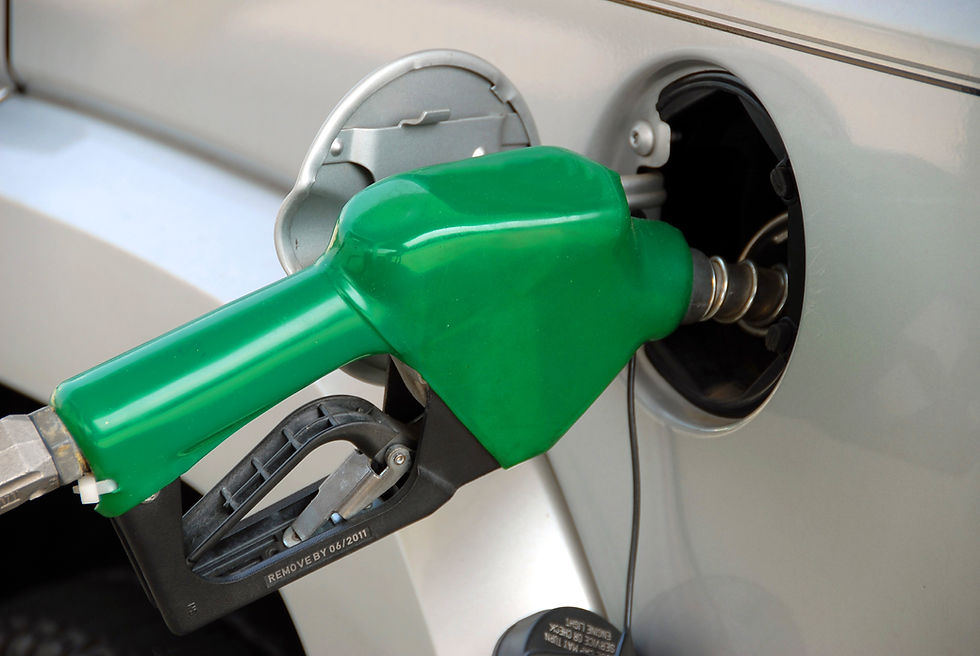
The carbon footprint of manufacturing a new vehicle, combined with the wider environmental impacts of resource extraction, means extending the life of an existing car can sometimes be the better option. That is why the key is to make informed choices based on your own circumstances, reduce emissions wherever possible and take responsibility for those that cannot yet be avoided.
If you're keeping your current car for a little longer, that doesn't mean putting climate action on hold. By understanding your vehicle's carbon footprint and supporting high-quality offset projects, you can take meaningful steps towards a lower-carbon future today, and here at Offset to Zero, we help individuals and businesses offset unavoidable emissions and support credible projects that contribute to a more sustainable world.
Want to find out more? Start offsetting today!


